culture
University of Chicago Expands Hyde Park's Art Scene With New Galleries
The neighborhood's expanded gallery and exhibition spaces reflect the university's push to broaden its cultural reach beyond its academic core.
How we reported this
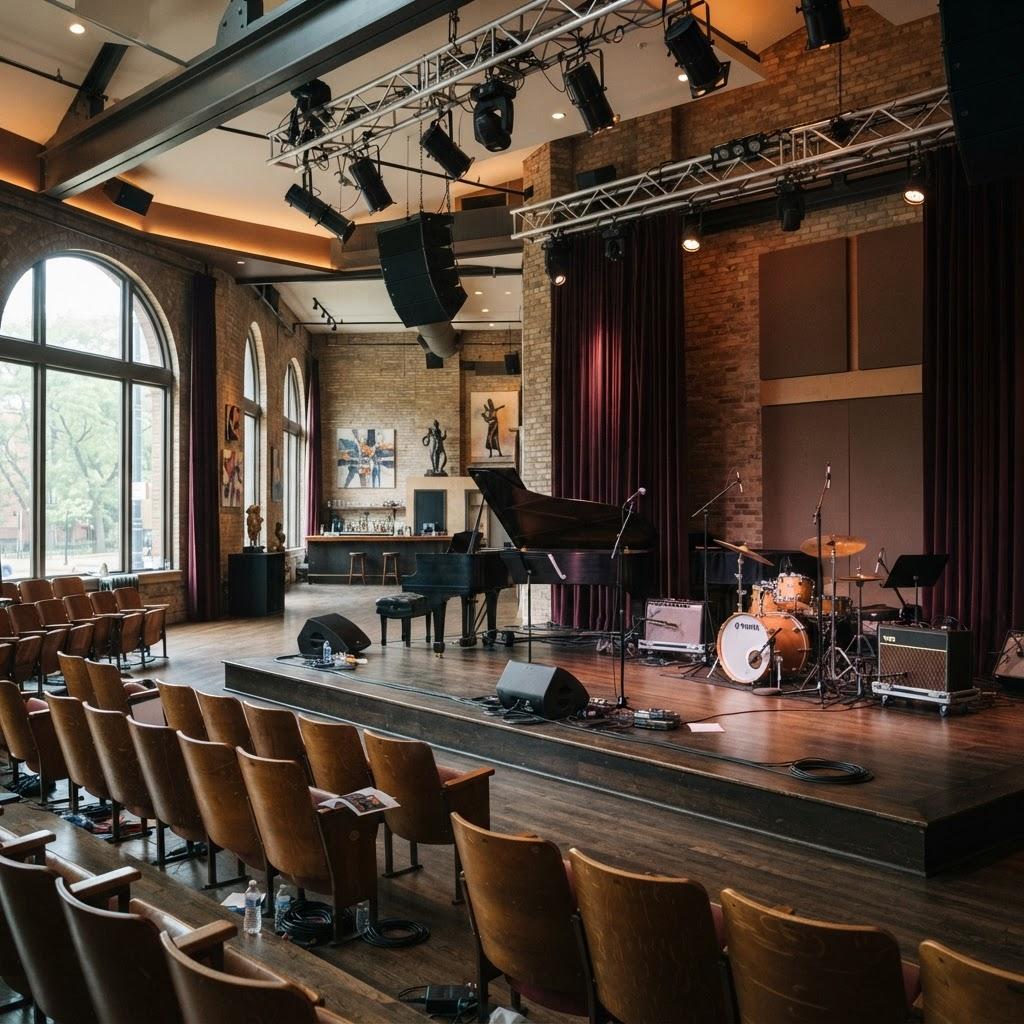
Hyde Park's collection of university-backed museums and exhibition halls now forms a larger share of Chicago's dispersed art landscape than it did a few decades ago.
The shift traces to the University of Chicago's sustained investment in facilities that extend its profile past its traditional strengths in science and economics. That effort has placed additional exhibition venues alongside longstanding neighborhood spots, giving Hyde Park a bigger footprint in a city where galleries have scattered from older concentrations such as River North into newer districts.
University venues anchor daily activity
Smart Museum, Logan Center, Neubauer Collegium and the Renaissance Society operate as the core cluster, each hosting rotating shows that draw both campus audiences and outside visitors. These spaces sit within walking distance of the historic 53rd Street retail corridor, where storefront galleries and small exhibition rooms occupy ground-level spaces amid shops and cafes.
Hyde Park Art Center, located on Cornell Avenue since 2006, continues to run classes and community exhibitions in the same corridor, linking student work with neighborhood participation. The combination keeps foot traffic steady along the street even on weekdays when larger downtown institutions see lighter local use.
Practical steps for residents and visitors
Check current exhibition schedules on the individual websites of the four university venues before planning a visit, since programming changes monthly. Pair a morning stop at one of the campus spaces with an afternoon walk along 53rd Street to see the smaller storefront shows without additional travel. The Newcity Art in Chicago guide, published in its February/March 2026 issue, lists these Hyde Park locations among the city's active districts and notes their growth relative to earlier concentrations elsewhere in Chicago.