Politics
Lincoln Park City Council Approves Parking Permit Fee Hike to Expand Bike Lanes on Clark Street
Lincoln Park residents who own vehicles will pay $25 more per year for residential parking permits beginning in January 2027, with the added revenue directed to protected bike lanes.
How we reported this
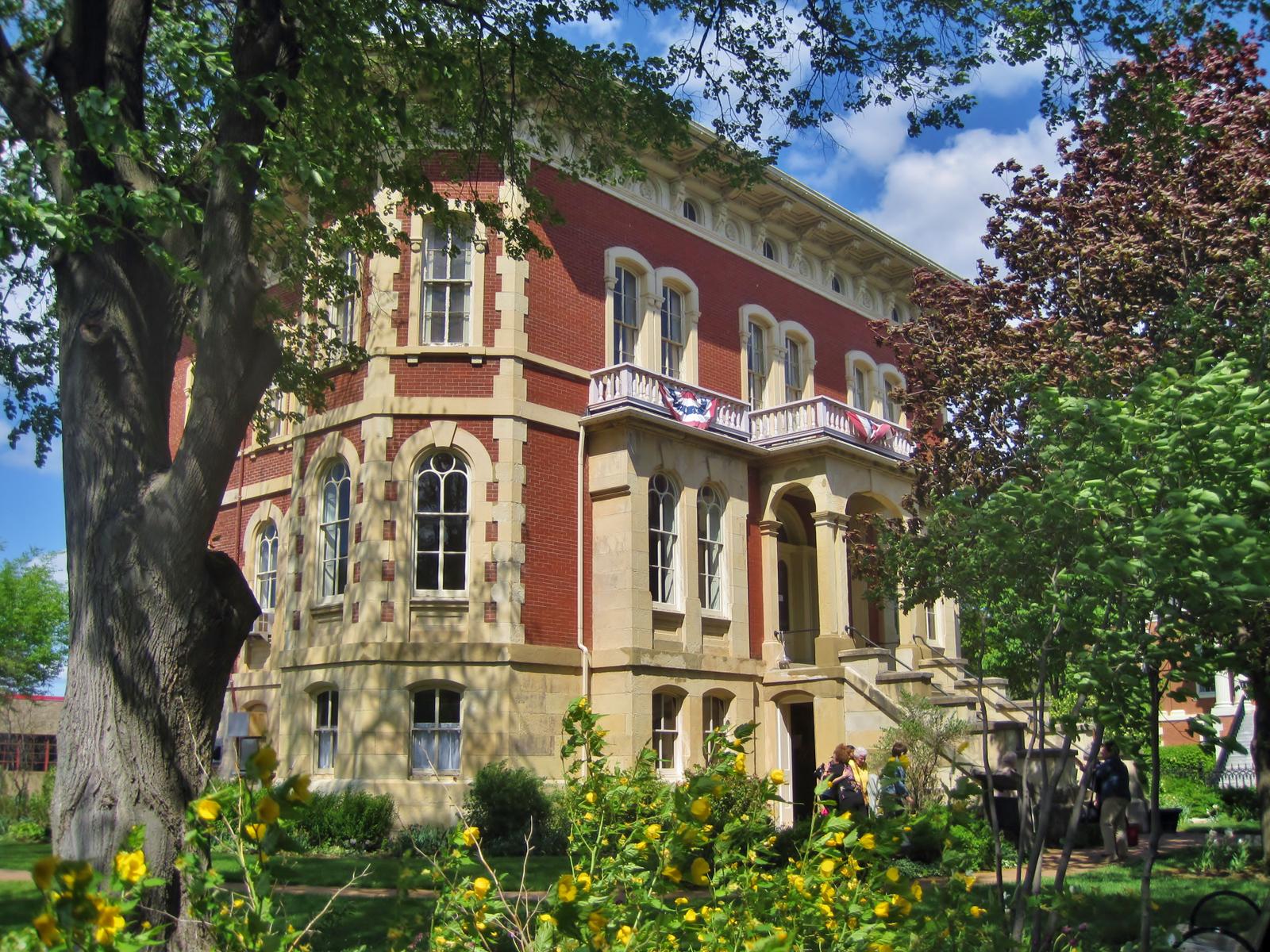
Lincoln Park City Council voted 7-4 on July 7 to raise annual residential parking permit fees from $50 to $75 and allocate the projected $420,000 in new revenue to install 1.8 miles of protected bike lanes along Clark Street between North Avenue and Diversey Parkway.
Who pays more and who gains access
Vehicle owners in the 43rd and 44th wards will shoulder the full increase, with the higher fee applying to all new and renewed permits issued after December 31. The legislation states that the funds must be spent exclusively on bike lane construction, signage and enforcement, leaving road resurfacing budgets unchanged at their current $1.8 million annual level. Residents without cars receive no direct cost change but will see new infrastructure on a major north-south corridor used by an estimated 4,200 daily bicycle commuters, according to city traffic counts.
Businesses along the affected stretch of Clark Street that rely on customer parking will continue to operate under existing loading zone rules, though the ordinance adds two new 15-minute zones at the intersections of Clark and Armitage and Clark and Fullerton. Local advocates note that delivery services and tradespeople who park for extended periods during work hours will face the same permit cost increase if they register vehicles in Lincoln Park.
Next steps and implementation timeline
Public Works will issue a request for proposals by September 15 for the bike lane design contract, with construction scheduled to begin in spring 2027 and finish by fall of the same year. The city clerk's office projects that 16,800 permit renewals will occur under the new rate in the first quarter of 2027. Council members directed staff to produce a six-month progress report on lane usage and enforcement revenue by March 2028.
Policy analysts say the measure follows the city's 2025 transportation plan, which identified Clark Street as a priority corridor for separated cycling facilities based on collision data from 2023 showing 27 bicycle-vehicle incidents. No additional property taxes or general fund transfers are included in the ordinance.
The measure takes effect with the next permit cycle, and the Department of Revenue will begin printing updated decals in October. Residents can apply for the permits online or at the Lincoln Park branch of City Hall beginning December 1.