Politics
Lincoln Park Sales Tax Reduction Referendum Would Lower Costs on Everyday Purchases
The November 3 ballot measure proposes cutting the local sales tax rate by half a percentage point, which city budget documents estimate would reduce annual expenses for typical Lincoln Park households by $180 to $300 depending on spending patterns.
How we reported this
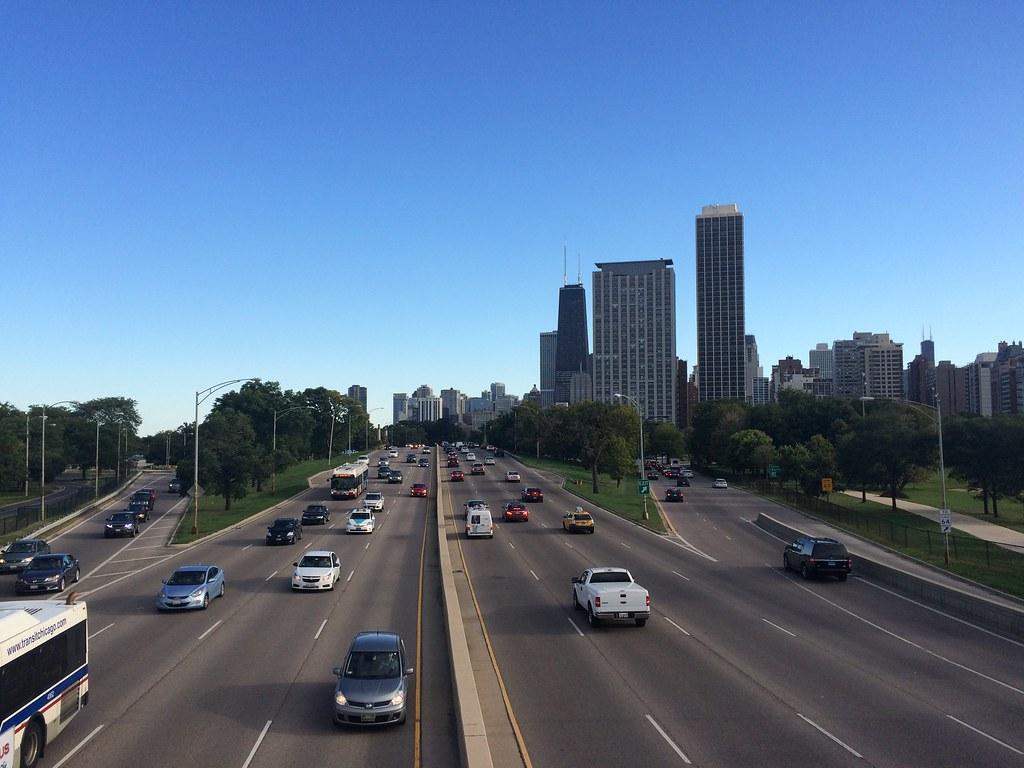
Voters across Lincoln Park will decide November 3 on a referendum to lower the municipal sales tax rate from 2.5 percent to 2.0 percent on most taxable goods and services.
The proposal follows sustained increases in local prices for food, clothing and household supplies recorded in the city’s 2025 consumer price index report, which showed a 4.2 percent rise in the cost of essential retail items over the prior 12 months.
Passage would reduce the tax collected at checkout on purchases made inside city limits, including at stores along Clark Street and Fullerton Avenue, thereby trimming the amount residents pay for non-exempt items such as apparel, electronics and prepared meals.
Projected Effects on Household Budgets
City finance records indicate that Lincoln Park collected $47.3 million in sales tax revenue during fiscal year 2025 from an estimated $1.89 billion in taxable retail sales; a 0.5 percentage point reduction would lower that revenue by roughly $9.45 million annually if spending levels remain constant.
Policy analysts at the local budget office have calculated that households reporting $20,000 in annual taxable purchases would see an average savings of $100, while those spending $40,000 would save about $200, amounts that would appear as smaller line items on monthly credit card or cash receipts.
Implementation Timeline
If approved, the rate change would take effect January 1, 2027, requiring retailers to update point-of-sale systems and the city to revise its revenue allocation for the 2027 budget cycle.
Ballot language states that the measure applies only to the municipal portion of the combined state and local sales tax and does not alter state-level rates or exemptions already in place for groceries and prescription drugs.