Politics
West Loop Mayor Pushes Infrastructure and Jobs Package as Federal Funding Window Narrows
A new local government initiative targeting road repairs, transit access and workforce development could put hundreds of West Loop residents into jobs and reshape daily commutes before the end of 2027.
How we reported this
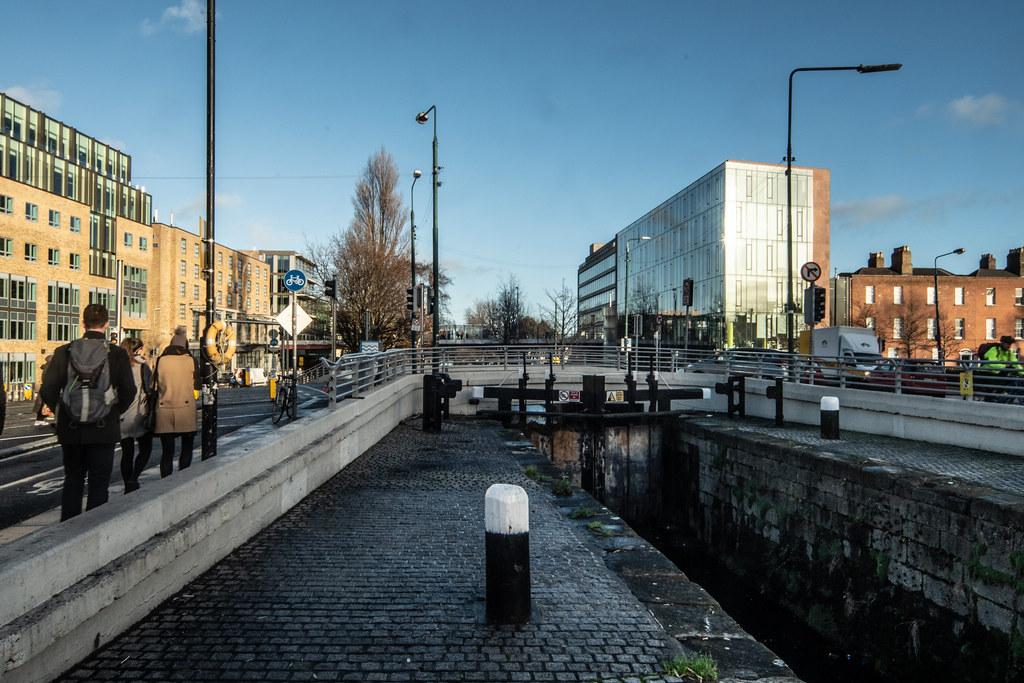
West Loop's mayor unveiled a multi-pronged policy package this week aimed at accelerating infrastructure repairs, expanding city services and connecting residents to local employment, with city hall framing the push as time-sensitive given a shrinking window on federal capital grants. The initiative, drawn from the city's Fiscal Year 2026-27 Capital Improvement Plan, directs an estimated $47 million toward road resurfacing, transit corridor upgrades and broadband expansion across the neighborhood's commercial and residential corridors. Residents who rely on the Halsted Street bus route, travel along Randolph Street or work in the construction and logistics trades are the most directly affected.
The timing matters. Federal infrastructure allocations tied to the 2021 Infrastructure Investment and Jobs Act have a drawdown deadline, and local government analysts note that municipalities that do not obligate funds by late 2026 risk losing their allocations entirely. West Loop sits at the edge of two transit improvement zones, meaning the neighborhood competes with adjacent districts for a finite pool of regional transportation dollars. City hall says the package is designed to meet federal matching requirements and lock in grants before the calendar turns.
What Residents Will See on the Ground
The most immediate changes are expected on the 1800-2200 blocks of West Madison Street, where a resurfacing and protected bike lane project is projected to begin in September 2026. The city's Public Works Department estimates the corridor work will take roughly 14 weeks, creating short-term lane restrictions but delivering what engineers describe as a 20-year pavement lifespan on a stretch that last saw major work in 2009. For the roughly 3,400 households within a half-mile of that corridor, that means fewer potholes, better drainage and safer cycling infrastructure heading into 2027.
On jobs, the package reserves 30 percent of contract hours for city residents under a local hiring ordinance tied to projects above $2 million. That provision, written into the city's Municipal Code Chapter 2-92, is expected to generate an estimated 180 to 220 construction positions over the project's 18-month buildout. The city's Department of Planning and Development says it will partner with two workforce training programs, including the Chicago Cook Workforce Partnership, to connect West Loop residents who lack prior construction experience to pre-apprenticeship slots ahead of the hiring surge.
Budget Figures and Service Commitments
The $47 million total is split roughly into three buckets: $22 million for roadway and pedestrian infrastructure, $18 million for transit-related improvements including new shelters and signal upgrades along the Morgan Street CTA Green and Pink line corridor, and $7 million for last-mile broadband installation targeting low-income residential buildings. The broadband component draws on FCC Emergency Connectivity Fund carry-forward dollars, according to city budget documents filed in June 2026. Local advocates who work on digital equity note that roughly 12 percent of West Loop renter households reported lacking a home broadband subscription in the 2023 American Community Survey, a figure the city says the program is designed to reduce by half within three years.
City services are also in scope. The package includes a commitment to extend West Loop's weekend sanitation pickup from once to twice weekly starting in October 2026, covering the high-density residential blocks between Des Plaines Avenue and Ogden Avenue. The change responds to a 14-month backlog of 311 service complaints logged by residents in ZIP code 60661 about overflowing receptacles near Fulton Market restaurants and food distribution businesses.
Next steps are concrete and close. The City Council's Committee on Budget and Government Operations is scheduled to vote on the full ordinance package on July 22, 2026. If approved, the mayor's office says contract solicitations for the Madison Street corridor and the Morgan Street transit shelters will go out by August 15, with construction starts targeted for early fall. Residents can review project maps and submit comment forms through the city's online capital projects portal, which the Department of Public Works says will be updated with parcel-level detail by July 14.