Politics
Illinois Housing Bill HB 4736 Reshapes West Loop Rents, Development Within 18 Months
A Springfield bill linking municipal zoning compliance to state infrastructure funding could reshape development timelines, tenant protections and service costs for West Loop residents within 18 months.
How we reported this
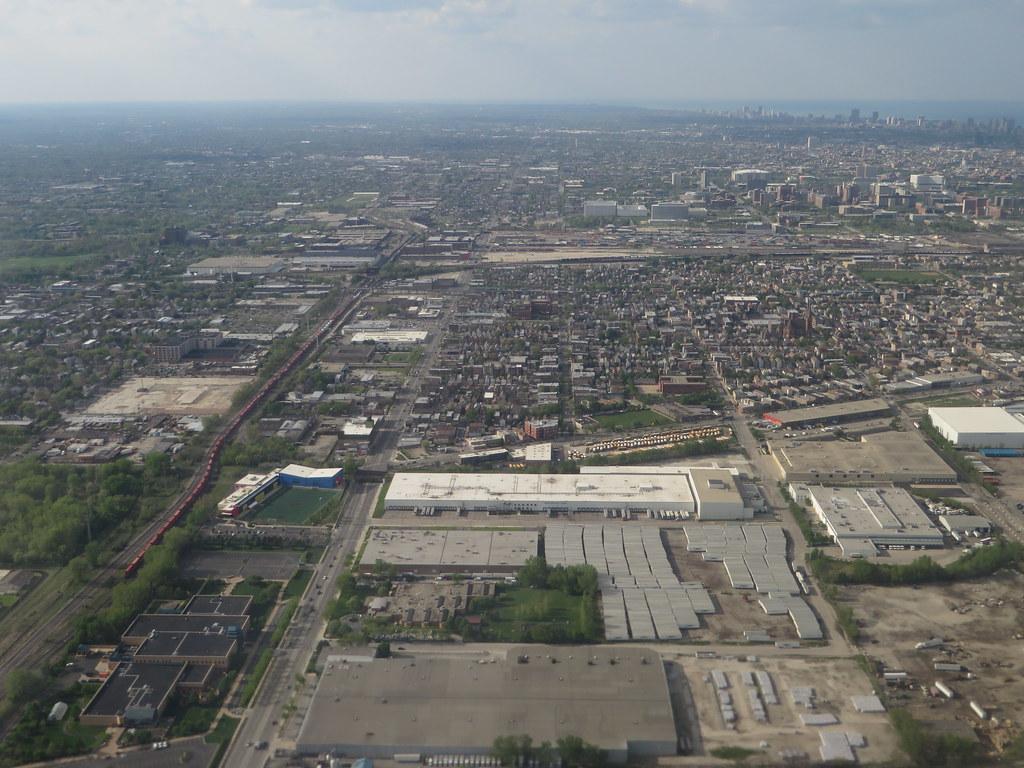
A bill moving through the Illinois General Assembly this session, House Bill 4736, would tie state infrastructure grant eligibility directly to whether municipalities meet new zoning density benchmarks near transit corridors. West Loop sits at the intersection of three of Chicago's busiest CTA and Metra lines, which means the neighborhood stands to gain significant funding, or lose it, depending on how the City of Chicago responds to the legislation's compliance requirements. The bill, sponsored in the House by the Chicago metropolitan caucus and currently in the Senate Assignments Committee as of July 2026, is expected to reach a floor vote before the fall veto session.
The timing matters because Chicago's Department of Planning and Development is simultaneously reviewing its 2027 capital budget, and city officials have not yet publicly committed to the zoning adjustments HB 4736 would require. Other Illinois municipalities are already responding. Evanston amended its transit-adjacent zoning code in March 2026, positioning itself to qualify for an estimated $14 million in state infrastructure aid in the first grant cycle. Rockford and Peoria have submitted preliminary compliance plans. West Loop, despite having the density profile that would make compliance relatively straightforward on paper, has no publicly filed response from the 27th or 42nd Ward offices as of this week.
What the Bill Would Actually Change for Residents
For people who live, rent or own property in West Loop, the practical stakes break down into three areas. First, the bill requires that any municipality receiving state transit-corridor infrastructure funds must permit residential buildings of at least six stories within a half-mile of a major transit node. Most of West Loop already clears that threshold, but sections west of Ogden Avenue and parts of the Fulton Market corridor near the Morgan CTA Green and Pink Line stop do not currently meet the minimum floor-area-ratio requirements the bill specifies. Developers and property analysts note that rezoning those parcels would likely accelerate permit applications that have been stalled for months.
Second, the legislation attaches a tenant-notification requirement to any development project receiving state funds under the program. Landlords of buildings with more than four units within the funded corridor would be required to give 90 days' written notice before any rent increase exceeding 5 percent annually, up from the 30-day notice standard that currently applies in Chicago. Local housing advocates say this provision, if enacted, would be among the stronger renter-protection clauses attached to a capital funding bill in Illinois history, though they also note enforcement mechanisms remain vague in the current draft language.
How West Loop Compares to Other Affected Communities
Chicago as a whole contains roughly 140 transit nodes that would fall within the bill's half-mile compliance zones, far more than any other Illinois city. But density of nodes does not automatically mean the city captures the most funding. The bill allocates grants on a per-qualifying-project basis rather than per-city, which means smaller, faster-moving municipalities could claim a disproportionate share of early rounds. Evanston's March zoning amendment, for example, is already drawing notice from state budget analysts who project the suburb could secure funding for three separate streetscape and utility projects before Chicago files its first compliance certification.
The Illinois Commission on Government Forecasting and Accountability projected in its June 2026 outlook that total statewide disbursements under HB 4736, if passed, would reach approximately $340 million over a five-year appropriations window. Chicago's share, under current projections and assuming full compliance, is estimated at between $80 million and $110 million. West Loop, as one of the city's densest transit corridors, would be a primary candidate for a portion of those local allocations, which the city's Office of Budget and Management has said would target utility infrastructure, pedestrian improvements and transit-adjacent affordable unit set-asides.
The Senate Assignments Committee is scheduled to hold a subject-matter hearing on HB 4736 on July 22. Residents and business owners can submit written testimony through the Illinois General Assembly's public portal. The Chicago Department of Planning and Development has not announced a public meeting on the bill's compliance implications, though aldermanic offices in the 27th and 42nd Wards are expected to hold community sessions before the August recess if the legislation advances to a floor vote.