Politics
West Loop Ballot Measures Fund Mental Health, Housing, Youth Programs
Three proposed measures on the November 2026 ballot would reshape funding for mental health outreach, affordable housing supports, and youth programming across West Loop's neighborhoods.
How we reported this
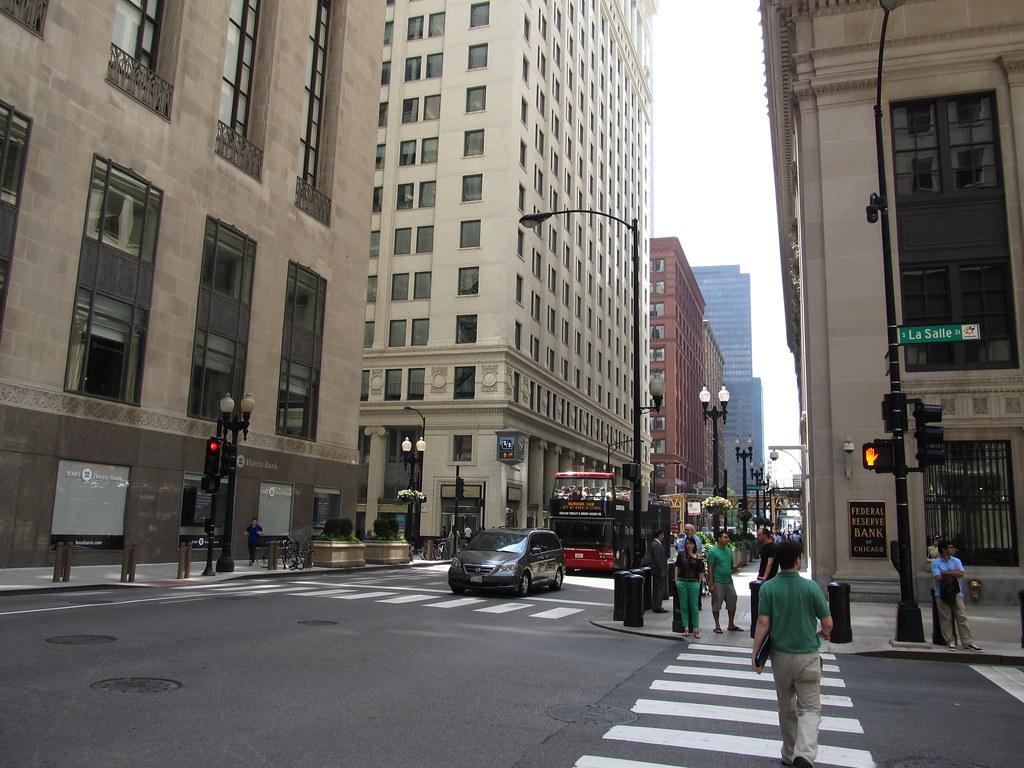
Three ballot measures certified for the November 3, 2026 election will ask West Loop residents to decide directly how the community funds core social services. The measures cover a proposed mental health services levy, a community land trust authorization for affordable housing, and a dedicated youth services line item within the city's capital budget. Together, they represent the most consequential local ballot for residents who rely on, work in, or pay for community programs since the 2021 infrastructure referendum that authorized the Fulton Market streetscape redesign.
The timing matters. Federal discretionary spending cuts implemented through the Fiscal Year 2026 continuing resolution reduced Community Development Block Grant allocations to mid-size urban neighborhoods by roughly 12 percent nationally, according to figures published by the U.S. Department of Housing and Urban Development in April. West Loop's community organizations, including the Near West Side Community Development Corporation, have flagged funding shortfalls in case management and transitional housing that local officials say cannot be absorbed without a new revenue mechanism. Advocates note the ballot measures emerged directly from that gap.
What Each Measure Would Do for Residents
Measure A proposes a 0.15 percent property tax levy dedicated to mental health crisis response and outreach staffing. If approved, the Cook County Assessor's office estimates it would generate approximately $4.2 million annually for West Loop's service district. That funding is expected to sustain two mobile crisis response teams, keeping them operational seven days a week rather than the current five-day schedule. Residents living near the Madison Street and Ogden Avenue corridors, where street outreach workers report the highest concentration of unsheltered individuals in the ward, would see the most direct change in service availability.
Measure B would authorize the city to establish a community land trust covering parcels within a defined West Loop boundary running from Halsted Street west to Damen Avenue and from Lake Street south to Roosevelt Road. Under community land trust structures, the city or a designated nonprofit acquires land and leases it long-term to affordable housing developers, removing it from speculative sale. Policy analysts at the Urban Land Institute have documented that community land trust units in comparable neighborhoods retain affordability covenants for at least 99 years. The measure does not itself allocate funding but creates the legal framework; actual land acquisition would require separate council appropriation. Renters and small homeowners in the area are the most directly affected residents, particularly those whose leases expire within the next 24 months.
Measure C is narrower. It would carve a $1.8 million annual line item within the city's existing capital budget for youth programming facilities, specifically directing those funds to after-school and summer enrichment infrastructure. The city's 2025 Youth Risk Assessment, published by Chicago's Department of Family and Support Services, found that West Loop and the adjacent Near West Side zip codes ranked in the bottom quartile citywide for access to supervised after-school programming per capita. The line item would not create new programs but would fund physical improvements to the Malcolm X College gymnasium partnership and the ABLA Homes community center, both of which serve children from West Loop households.
The Process and What Comes Next
Residents can review the full text of each measure at the Chicago Board of Election Commissioners office at 69 W. Washington Street or on the board's official website. Early voting opens October 19 at the Cook County Clerk's satellite location on W. Madison Street. Voter registration closes October 6 for those not already registered.
If all three measures pass, implementation timelines differ. The mental health levy under Measure A would take effect with the next property tax billing cycle, meaning funds would begin flowing to service providers in mid-2027. The land trust authorization under Measure B requires a subsequent aldermanic ordinance before any land acquisition could proceed, a step local officials have said is expected to take four to six months after a successful vote. The youth capital line item under Measure C would appear in the FY2027 budget ordinance presented to City Council in November, and construction at the two facilities is projected to begin no later than spring 2028.
Community organizations are holding three public information sessions this month. The first takes place July 16 at the West Loop Community Organization's meeting space at 111 S. Morgan Street, starting at 6:30 p.m. The sessions will not advocate for any position but will walk residents through the fiscal and programmatic specifics of each measure before the fall campaign period begins.