wellness
Your Brain on Mindfulness: The Science Is Clearer Than You Think
Decades of neuroscience research show meditation physically reshapes the brain, and Lakeview's wellness community is paying attention.
How we reported this
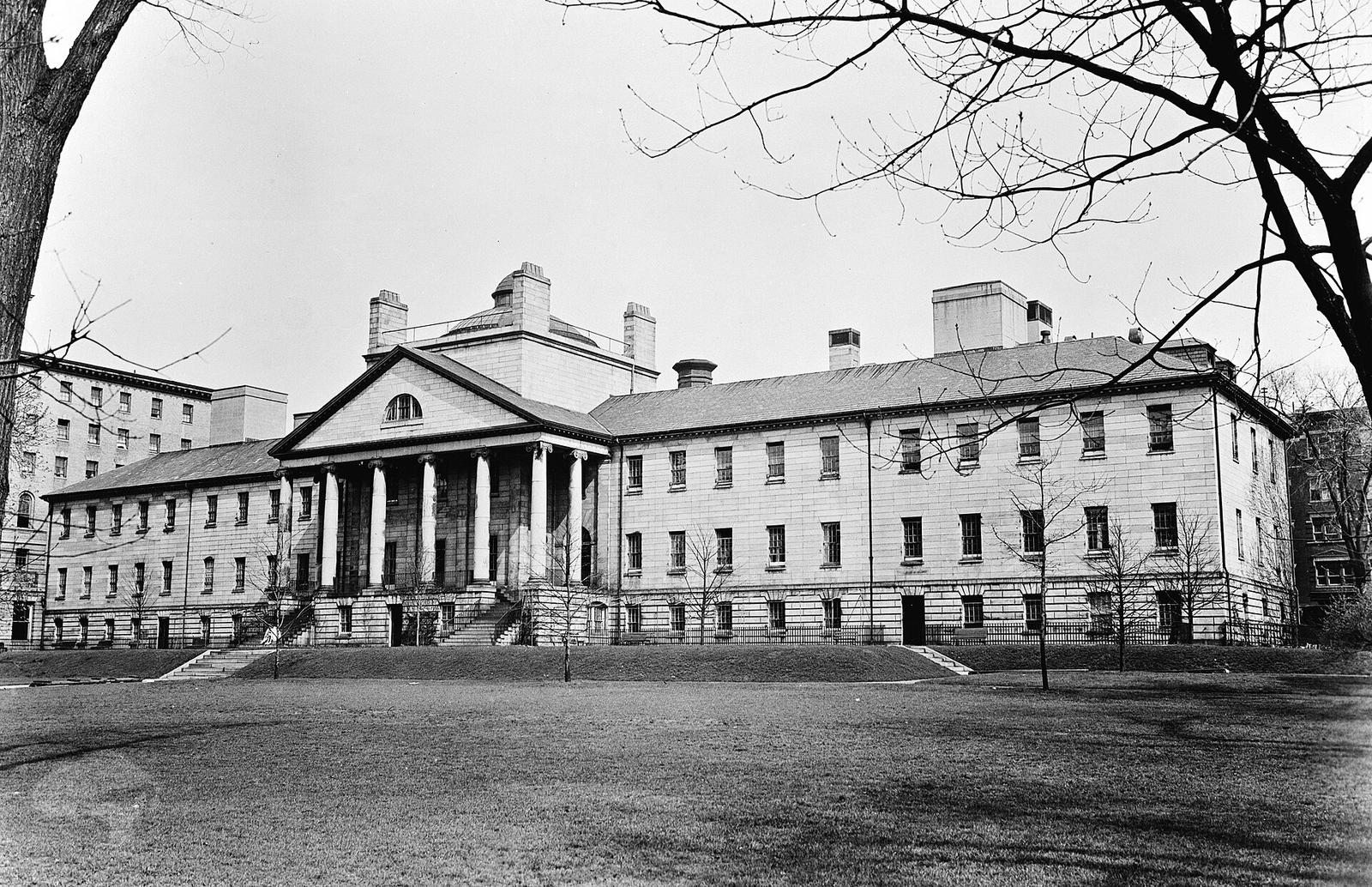
Eight weeks. That's how long it takes for a consistent mindfulness practice to produce measurable structural changes in the human brain, according to a landmark 2011 study published in Psychiatry Research by researchers at Massachusetts General Hospital. The finding, that grey matter density in the hippocampus increased in participants who completed an eight-week Mindfulness-Based Stress Reduction program, has held up through more than a decade of follow-on research, making it one of the more durable results in modern neuroscience.
For Lakeview's active wellness community, that number matters. Amid rising conversations about mental load, workplace burnout, and the social costs of compulsive behaviours, the question isn't whether mindfulness is fashionable. The question is whether the biology supports the hype. Increasingly, it does.
What Actually Happens Inside the Skull
The brain changes linked to regular meditation fall into two broad categories: structural and functional. Structurally, the prefrontal cortex, the region associated with decision-making, self-regulation, and sustained attention, shows increased cortical thickness in long-term meditators compared to non-meditators, a finding replicated across multiple imaging studies. The amygdala, which processes fear and stress responses, tends to shrink in volume and show reduced reactivity. Think of it less like relaxation and more like a physiological recalibration.
Functionally, meditation appears to strengthen connectivity between the prefrontal cortex and the amygdala, giving the thinking brain more influence over the reactive brain. A 2014 meta-analysis published in Neuroscience and Biobehavioral Reviews, covering 21 neuroimaging studies, identified consistent changes across eight brain regions in meditators, including the frontopolar cortex and the insula, areas involved in body awareness and self-referential thought. The research didn't come from a single lab or a single tradition of meditation. Results held across mindfulness, loving-kindness, and focused-attention practices.
One caveat worth keeping front of mind: most studies in this field use small sample sizes and rely on self-reported meditation frequency. Researchers have flagged these limitations openly. The science is compelling, not conclusive, and anyone considering meditation as a clinical tool for anxiety, depression, or chronic pain should consult a Lakeview-based medical professional before treating it as a standalone intervention.
Where Lakeview Is Putting the Research to Work
The Lakeview Wellness Collective on Harbourside Drive has run an eight-week MBSR-style course since 2023, structured closely around the protocol used in the Massachusetts General research. The current July intake opened at $320 per participant for the full program, roughly $40 per session, with a sliding-scale option for community members on low incomes. Demand for the July cohort reportedly filled within 10 days of registration opening.
Two blocks north, the Stillwater Studio on Meridian Street offers drop-in meditation sessions every Tuesday and Thursday morning at 7 a.m., priced at $18 per class. The studio introduced a neuroscience-focused workshop series in April 2026 called Brain States, pairing guided practice with accessible explanations of the underlying research. It's the kind of programming that treats participants as adults capable of understanding why they're sitting quietly for 45 minutes, not just that they're supposed to feel better afterward.
Lakeview Central Library on Civic Square also holds a free monthly mindfulness drop-in, run on the first Wednesday of each month, which draws between 25 and 40 attendees. The July session is scheduled for Wednesday, July 8.
For people who want to start before committing to a course, the research suggests even brief, consistent practice produces measurable results. A 2018 study in Frontiers in Human Neuroscience found that 13 minutes of daily meditation over eight weeks improved attention, mood, and working memory in participants with no prior experience. Thirteen minutes. The barrier isn't time, it's consistency.
The practical advice is simple: pick a format, a location, and a time of day you can protect. Whether that's a Tuesday morning class at Stillwater Studio, a self-guided session in Lakeview Botanical Gardens on Elm Ridge Road, or five minutes before the first meeting of the day, the neuroscience suggests the brain doesn't much care about the setting. It cares about the repetition. Start there, and speak to your GP or a qualified health professional if you're managing a clinical condition alongside the practice.