wellness
Logan Square Residents Are Finally Getting Serious About Sleep, Here's Where to Start
Local sleep clinics and community wellness programs are filling up fast as neighborhood residents wake up to what bad rest is actually costing them.
How we reported this
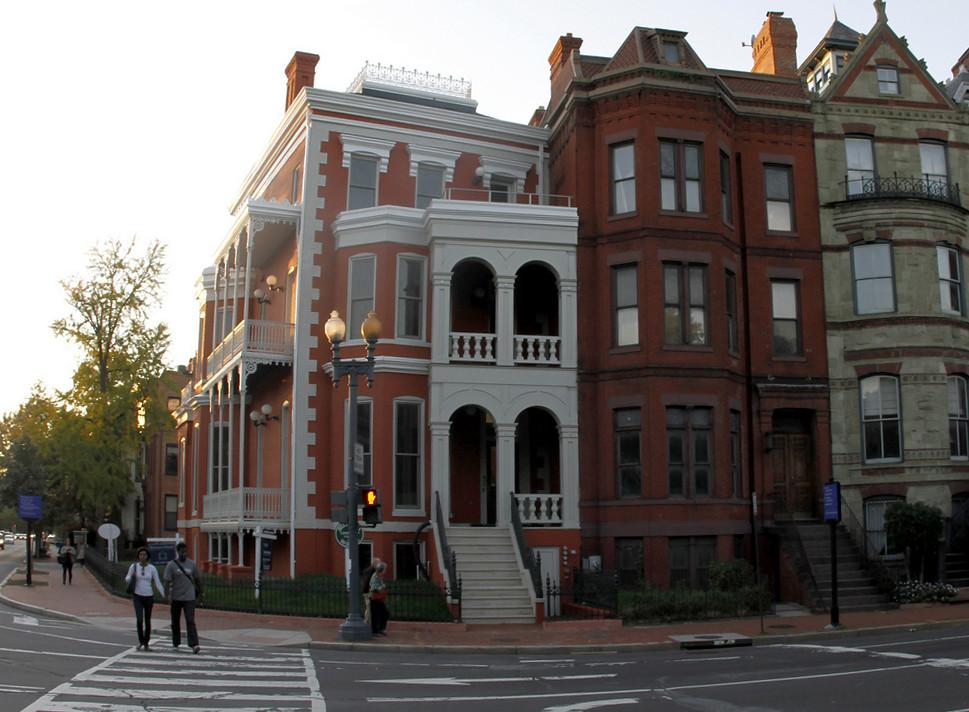
Demand for sleep studies at Chicago's Northwest Side clinics jumped sharply in the first half of 2026, and Logan Square, with its notoriously late-night bar culture along Milwaukee Avenue and a population skewing toward shift workers and freelancers, is driving a disproportionate share of that traffic. Sleep specialists at several facilities serving the 60647 zip code say appointment waitlists that once ran two weeks now stretch six to eight weeks for new patients.
The timing matters. Hormone health has become a dominant conversation in wellness circles this summer, questions about melatonin dosing, cortisol rhythms, and how disrupted sleep interacts with testosterone and estrogen levels are pulling people toward clinical evaluations they might previously have dismissed. The conversation is no longer just about feeling tired. It's about long-term metabolic and cardiovascular health, and Logan Square residents are paying attention.
Where to Go in the Neighborhood
The closest dedicated sleep medicine facility to the heart of Logan Square is the Northwestern Medicine sleep clinic operating out of its Bucktown outpost on North Damen Avenue, roughly a 12-minute walk from the California Blue Line stop. The clinic runs both in-lab polysomnography studies, the full overnight, electrode-laden version, and home sleep apnea tests, which can be picked up and returned without an overnight stay. In-lab studies through that facility bill insurance at roughly $1,500 to $2,200 before coverage kicks in; the home test version runs closer to $300 to $500 out of pocket for uninsured patients.
For residents who want something closer to Milwaukee and Kedzie, the Logan Square Humboldt Park community health corridor includes ACCESS Community Health Network, which has a location on West Chicago Avenue just southeast of the square. ACCESS operates on a sliding-scale fee structure and has begun referring patients to sleep specialists through its primary care network. Staff there can order a home sleep study referral during a standard primary care visit, cutting the administrative lag that trips up a lot of patients who try to self-refer directly to a specialist.
The Logan Square Farmers Market wellness pop-up series, which runs Sundays through October at 2755 N. Milwaukee Ave, featured a sleep health screening booth in late June, staffed by volunteers from the Chicago Integrative Sleep Collective. The collective, which is not a clinical provider but a patient education nonprofit, handed out free Epworth Sleepiness Scale questionnaires and tracked nearly 140 responses over two market days. Of those, roughly 60 percent scored above a 10, the threshold that clinicians consider a red flag worth investigating.
What the Data Actually Shows
Those informal numbers track with broader surveillance data. The CDC's most recent Behavioral Risk Factor Surveillance System found that 35 percent of American adults report sleeping fewer than seven hours a night, the minimum the American Academy of Sleep Medicine has recommended since its 2015 guidelines. In urban counties with populations comparable to Cook County, that figure climbs closer to 38 percent. Untreated obstructive sleep apnea, one of the most common disorders caught during formal sleep studies, is associated with a 2 to 3 times higher risk of hypertension and a significantly elevated risk of type 2 diabetes, according to research published in the Journal of Clinical Sleep Medicine as recently as 2024.
A formal diagnosis also opens doors to equipment coverage. Continuous positive airway pressure machines, CPAPs, are covered under most commercial insurance plans and Medicare once a qualifying sleep study confirms moderate to severe apnea, defined as 15 or more apnea events per hour. Without a documented study, patients pay out of pocket, typically $500 to $1,200 for a basic machine.
The practical next step for most Logan Square residents is a conversation with a primary care physician rather than a direct specialist call, that referral pathway is faster and often required by insurance anyway. Anyone without a regular doctor can establish care at ACCESS on West Chicago Avenue or at Esperanza Health Centers, which has an Humboldt Park clinic about a mile east of Logan Boulevard. Both accept Medicaid and offer same-week appointments for new patients. Sleep is health infrastructure. Logan Square's wellness community has been talking about breathwork, cold plunges, and magnesium glycinate for years. The sleep study is the part that actually tells you what's broken.
For personal health concerns, consult a licensed medical professional in your area.