wellness
Social Connection as Medicine: The Loneliness Epidemic Hits Home in Logan Square
Researchers say chronic isolation carries health risks comparable to smoking 15 cigarettes a day, and your neighbors on Milwaukee Avenue may be the prescription you need.
How we reported this
Loneliness is not a mood. It is a measurable public health condition, and by most clinical benchmarks, it is getting worse. A 2023 advisory from the U.S. Surgeon General estimated that roughly half of American adults report measurable levels of loneliness, a figure that has held stubbornly since the pandemic reshaped how people work, worship, and socialize. In Logan Square, where the active wellness culture can make the neighborhood look, from the outside, like one long group fitness class, the isolation underneath that surface is real and quietly spreading.
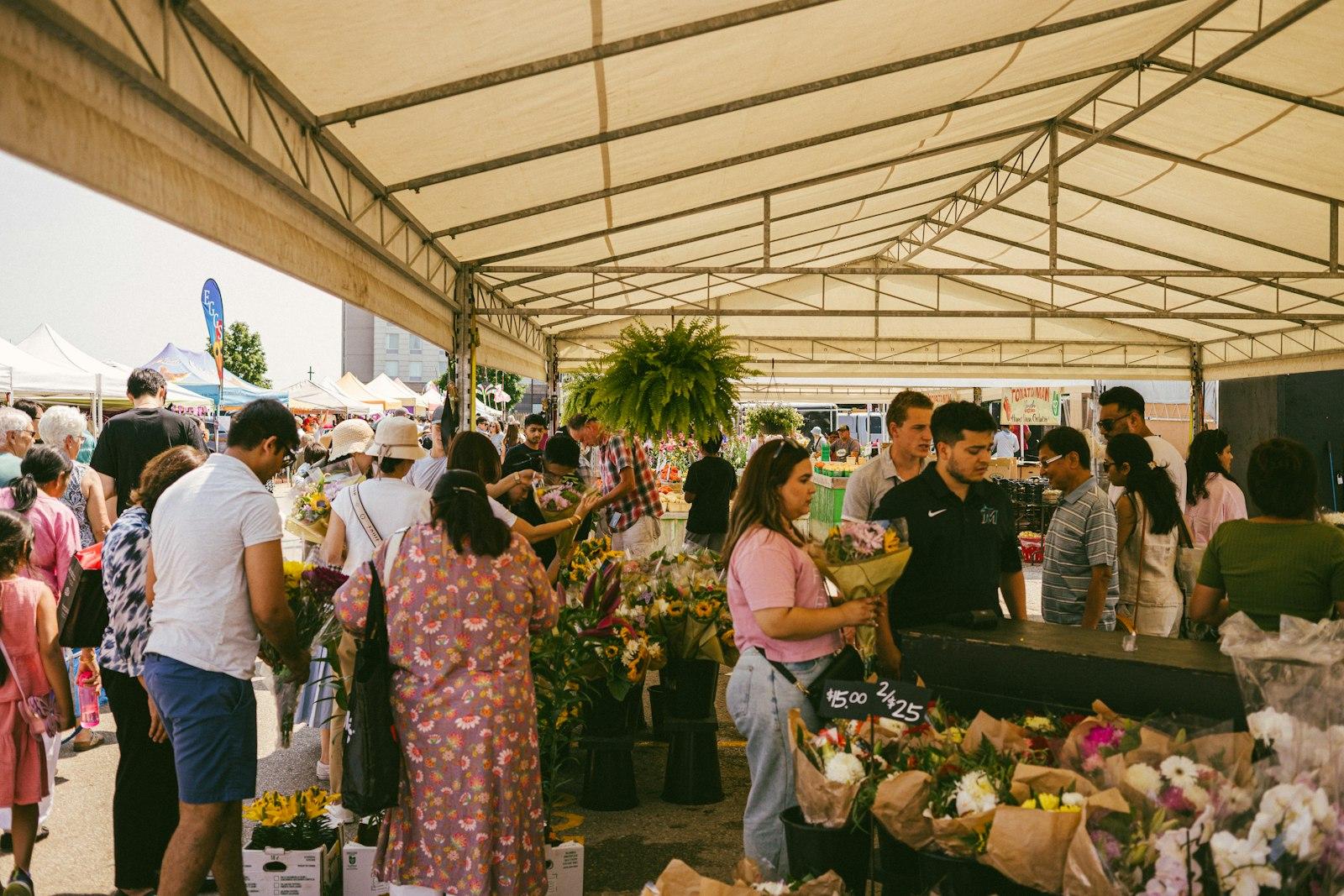
The timing matters. July feels festive, the 606 Trail fills up, the Farmers Market on Logan Boulevard draws crowds every Saturday morning, but mental health practitioners note that summer can deepen isolation for people who feel like everyone else is connecting except them. Social comparison, amplified by phone screens, makes the ache sharper.
Why Loneliness Is a Physical Problem, Not Just an Emotional One
The science on this has tightened considerably in recent years. A landmark meta-analysis published in PLOS Medicine found that social isolation increases the risk of early mortality by roughly 26 percent. Former U.S. Surgeon General Dr. Vivek Murthy, who released a formal advisory on the loneliness epidemic in May 2023, put it plainly: the health damage from chronic isolation is equivalent to smoking around 15 cigarettes daily. Cardiovascular risk climbs. Inflammatory markers rise. Sleep quality drops. The body registers the absence of other people as a form of threat.
For a neighborhood like Logan Square, bounded by Fullerton to the south, the Blue Line corridor threading through its center, and a demographic mix that has shifted significantly since 2015, the picture is complicated by cost. Gentrification has pushed out long-term residents and severed community ties that took decades to build. New arrivals, often younger renters paying north of $1,800 a month for a one-bedroom off Kedzie Avenue, sometimes know almost no one within a half-mile of their apartment.
Local Resources Doing the Work
A handful of organizations are treating connection itself as the intervention. The Logan Square Neighborhood Association, headquartered on West Diversey Parkway, runs community programming explicitly designed to bridge demographic gaps, block club meetings, leadership trainings, and tenant organizing sessions that function as much as social infrastructure as civic activity. Attendance has ticked upward since 2024 across several of their recurring programs.
On the commercial strip near the intersections of Milwaukee and Sacramento, Comfort Station Logan Square has built a reputation as something close to a genuine third place. The 1912 fieldhouse hosts live music, open community hours, and arts programming, most of it free or suggested-donation, drawing regulars who come as much for the room as for the event. Mental health advocates increasingly point to venues like this as part of a broader toolkit, not a replacement for therapy, but a meaningful complement to it.
The Illinois chapter of the National Alliance on Mental Illness (NAMI) operates a helpline at 1-800-950-6264 and has a Cook County affiliate that can connect residents to peer support groups meeting regularly on the North Side, some within a short bus ride of the Logan Square Blue Line stop.
The practical entry points are less complicated than people assume. Community psychologists recommend starting with a single recurring commitment, a weekly run with the Logan Square Running Club, a standing coffee date, a volunteer shift at the Avondale-Logan Square food pantry on North Kedzie. Consistency matters more than duration; 20 minutes of genuine face-to-face interaction several times a week produces measurable changes in cortisol and subjective wellbeing within six to eight weeks, according to research from Brigham Young University.
The Farmers Market on Logan Boulevard runs Saturdays through October 31. The 606 Trail entrance at Emmett Street is free, open daily, and tends to draw the kind of nodding-strangers regularity that researchers describe as "weak ties", low-stakes social contact that turns out to carry surprisingly strong mental health benefits. Show up enough times and the weak ties strengthen on their own. Consult a local mental health professional if isolation feels persistent or severe; the connection piece is real medicine, but it works best alongside professional support.