wellness
Peak Season, Peak Value: The Best Farmers Markets in West Loop and What to Buy Right Now
July is the sweet spot for local produce, and West Loop's weekend markets are stacked with summer's best-if you know where to look.
How we reported this
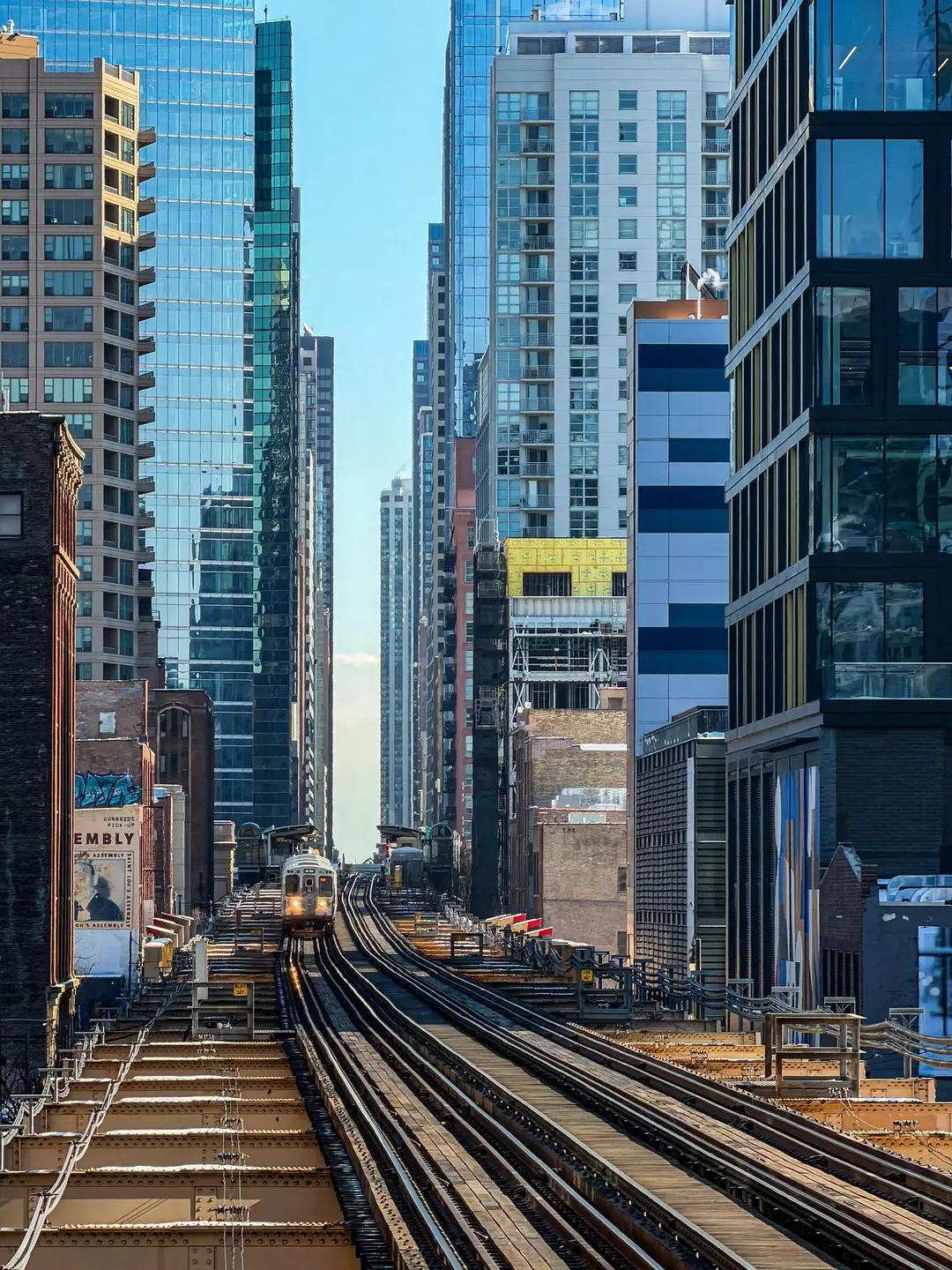
The Randolph Street Market at its Saturday peak draws upward of 2,000 shoppers before 10 a.m. That number matters because it signals something vendors and regulars already know: West Loop residents are treating fresh, local food less like a weekend errand and more like a weekly ritual. With mid-summer produce now hitting its stride, July 2026 is shaping up as one of the strongest farmers market seasons the neighborhood has seen in years.
The timing is no accident. Food costs have stayed stubbornly elevated across Chicago since early 2025, and price-conscious shoppers are increasingly doing the math on farmers market value versus grocery chains. A pound of heirloom tomatoes from a small Illinois grower at the Fulton Market Farmstead Pop-Up currently runs about $3.50-roughly 40 cents cheaper than the same weight of comparable product at a nearby premium grocer on Halsted Street. When the gap narrows or flips, as it does mid-summer when regional supply peaks, the market calculus tips decisively toward the outdoor stalls.
Where to Go and What to Grab in July
Two anchors dominate West Loop's fresh-food geography right now. The Randolph Street Farmers Market, running Saturdays from 8 a.m. to 2 p.m. at the 900 block of West Randolph, is the obvious first stop. Vendors from the Geneva Lakes Growing Company and several downstate Illinois growers are currently bringing in sweet corn, zucchini, beets, and the first Sungold cherry tomatoes of the season. Sungolds peak fast-typically a six-to-eight week window from early July through late August-so buying them now rather than waiting for a better week is a sound call.
The second destination is the Fulton Market Farmstead Pop-Up, held Wednesdays from 9 a.m. to 1 p.m. near the intersection of Fulton and Peoria Street. This market skews smaller and more curated, with an emphasis on herb bundles, microgreens, and specialty mushrooms from operations like Midwest Prairie Fungi, a Joliet-based grower that began supplying West Loop vendors in spring 2025. Lion's mane and oyster mushrooms are available weekly, and the grower typically restocks by 9:30 a.m.-arrive early or call ahead.
Stone fruit is the real headline of the month. Peaches from southwestern Michigan farms began arriving in the last week of June, and vendors expect the best window to run through the third week of July. At $4.50 to $5 per pound right now, they are not cheap, but nutritionists tracking the Chicago market consistently point to Michigan peaches as one of the highest-value seasonal buys-dense in vitamin C and beta-carotene at a fraction of the import cost common in January.
Getting the Most Out of Each Trip
Shoppers who bring cash in small denominations move through stalls faster and often negotiate better on bulk purchases. Several vendors at the Randolph Street market offer a 10-percent discount on orders over $40 paid in cash-it is not advertised on signage, but it is consistent. Bring a cooler bag if you plan to shop both markets in the same day; the stretch between Wednesday and Saturday is long enough for delicate berries to degrade if left unrefrigerated.
The Greater Chicago Regional Growers Cooperative, which coordinates certification for about 34 vendors across West Loop markets, publishes a weekly crop availability list every Monday on its website. Cross-referencing that list before heading out eliminates the common disappointment of arriving for asparagus three weeks after the season ended. Sign up for the email digest and the Tuesday morning version includes price benchmarks.
July 19 marks the midpoint of the 2026 summer market season, after which some smaller vendors begin transitioning their stock toward fall roots and storage crops. If sweet corn, peaches, and summer squash are priorities, the next two to three weeks are the window. West Loop's market culture rewards the early riser and the regular-show up consistently and vendors remember you. That informal loyalty, built at a stall on Randolph Street rather than a supermarket aisle, is increasingly what distinguishes eating well from simply eating.