wellness
Wicker Park Is Exhausted: Why People Are Sleeping Worse and What to Do About It
From doom-scrolling on Milwaukee Avenue to back-to-back fitness classes at 6 a.m., the neighborhood's wellness culture has a blind spot, and it starts the moment you close your eyes.
How we reported this
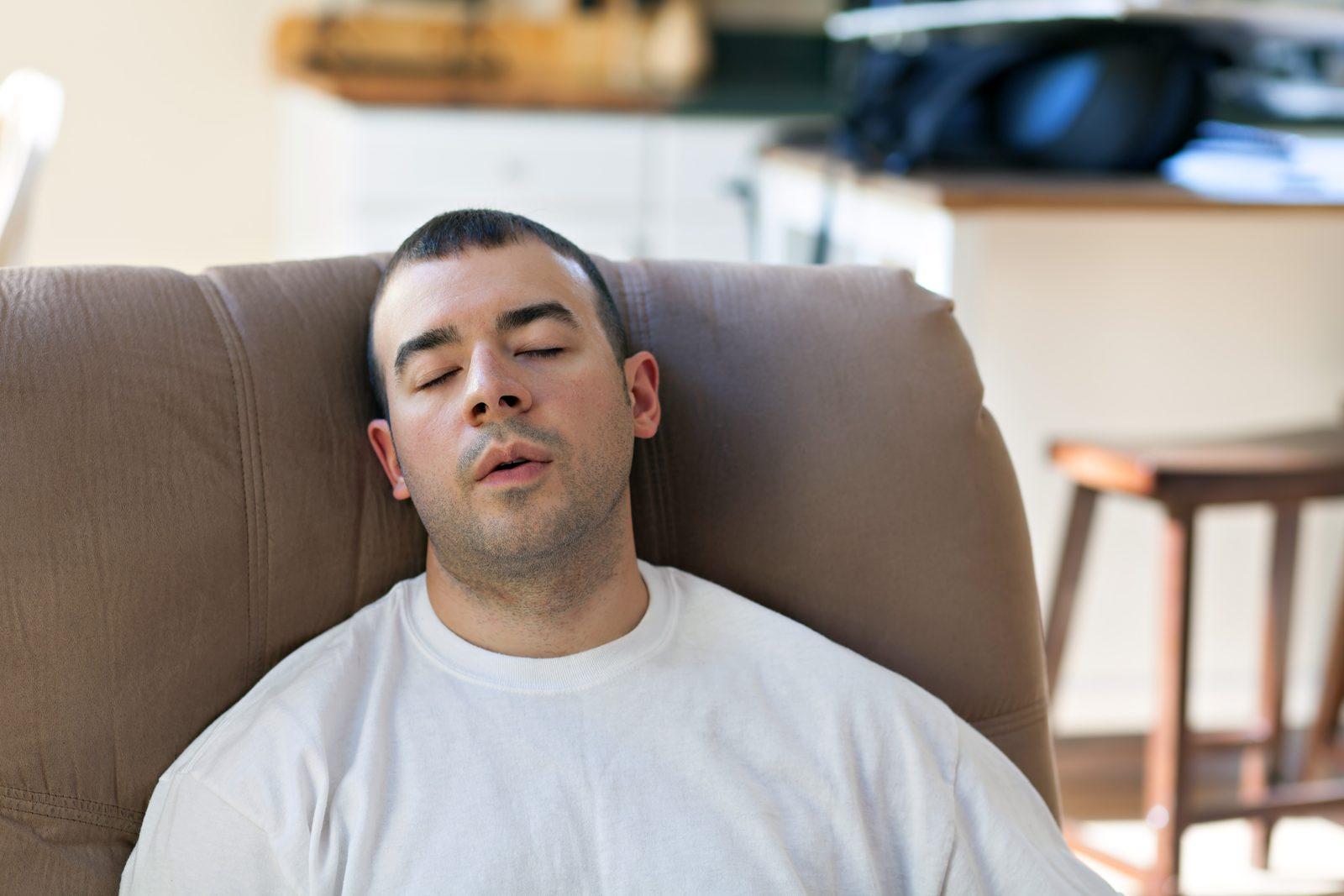
Americans are sleeping worse than they have in decades. The Centers for Disease Control and Prevention reported in 2024 that roughly one in three U.S. adults fails to get the recommended seven hours a night, and in high-density, high-stimulus urban corridors like Wicker Park, sleep researchers say the numbers skew even grimmer. The neighborhood's bars close at 2 a.m. The fitness studios open at 5:30. Something has to give, and increasingly it's the hours in between.
The timing matters. Hormonal research published this summer has put melatonin back under a public microscope, with clinicians warning that casual supplementation, a $12 bottle of 10mg gummies from the Walgreens on North Avenue, can disrupt the body's natural production cycle rather than fix it. Meanwhile, the cultural glamorization of grinding and late-night socializing has collided with a post-pandemic anxiety hangover that sleep specialists describe as chronic hyperarousal: the brain simply refuses to downshift. Wicker Park, with its dense restaurant scene along Damen Avenue and its reputation as one of Chicago's most socially active ZIP codes, sits at the center of that collision.
What's Actually Disrupting Sleep on This Side of the 606
The 606 Trail draws runners as early as 5 a.m. and as late as midnight. That's not inherently a problem, exercise is one of the most evidence-backed sleep aids available. The issue is timing and light exposure. Exercise within two to three hours of bedtime raises core body temperature and delays the natural melatonin surge, according to the American Academy of Sleep Medicine. Blue light from phones does the same thing. Combine a 9 p.m. spin class at CycleBar on Milwaukee Avenue with an hour of scrolling afterward, and the body receives a clear biological signal: it is not time to sleep.
Alcohol compounds everything. The stretch of bars between Wicker Park and Bucktown, including long-standing spots along North Milwaukee and Honore Street, keeps the neighborhood humming well past midnight on weeknights. Alcohol induces sleep faster but fragments it severely in the second half of the night, suppressing REM cycles and leaving people groggy despite eight hours in bed. The National Sleep Foundation estimates that 20 percent of American adults use alcohol as a sleep aid at least occasionally. For a neighborhood where post-work drinks are a social ritual, that figure likely understates local reality.
Noise is its own variable. Construction along the Blue Line's O'Hare branch, which cuts through the neighborhood, resumed in spring 2026 with early-morning equipment running by 6 a.m. on some weekdays. A single noise event above 45 decibels can trigger a measurable cortisol spike, even in people who don't fully wake up.
Practical Changes That Actually Work
The good news: Wicker Park has resources that most neighborhoods don't. Hive Mind Meditation, at 1902 W. Division Street, runs a Thursday evening session specifically designed for sleep preparation, 75 minutes of yoga nidra and breathwork that ends at 9 p.m., priced at $22 a drop-in. The format, which holds practitioners in a state between waking and sleep, has a peer-reviewed evidence base stretching back to studies published in the International Journal of Yoga in 2011.
Several practitioners affiliated with the Chicago Integrative Medicine group have offices within two miles of the Wicker Park Blue Line stop and offer cognitive behavioral therapy for insomnia, known as CBT-I, now the first-line clinical recommendation ahead of any pharmaceutical or supplement. A standard course runs six to eight sessions at roughly $150-$200 each, though the practice accepts most major insurance plans.
The behavioral adjustments cost nothing. Keep the bedroom below 67 degrees Fahrenheit. Cut caffeine by noon, the half-life of a single espresso is about five to six hours, meaning a 3 p.m. coffee from Ipsento 606 on North Wicker Park Avenue still has a measurable presence in the bloodstream at 9 p.m. Set a consistent wake time seven days a week, including Sunday, regardless of Saturday night. That single habit, sleep scientists consistently find, anchors the circadian rhythm more powerfully than any supplement on the market.
Anyone experiencing persistent sleep disruption lasting more than three weeks should consult a physician or board-certified sleep specialist rather than self-treating. The neighborhood's wellness culture has built a remarkable infrastructure for physical performance, it's time to build the same seriousness around rest. As a discipline, sleep doesn't have a great marketing team. But the evidence for it is overwhelming.